Some of Cumbria’s best water is hidden in plain sight. You do not need a full day on the fells to reach a tarn; a spare hour, a pair of boots and a sense of where to park will do it. The ten below are quieter than the classic spots, and most can be reached by a short walk. Go early, avoid bank holidays, and you will often have the water to yourself.
Parking: The National Trust car park on the fell road between Great Langdale and Little Langdale. It is small and fills by mid-morning in summer. Walk: A clear path leads from the car park to the tarn in about ten minutes. Difficulty: Easy. The view across the water to the Langdale Pikes is the reward, and the tarn is calmest before breakfast.
Parking: Use the village car park in Near Sawrey, or park legally on the approach lane if signs allow. Walk: Follow the footpath from the village up past Hill Top and on to the tarn. It is roughly a mile, with a gentle climb. Difficulty: Easy. Beatrix Potter once owned this water, and it still feels like a storybook corner, especially in mist.
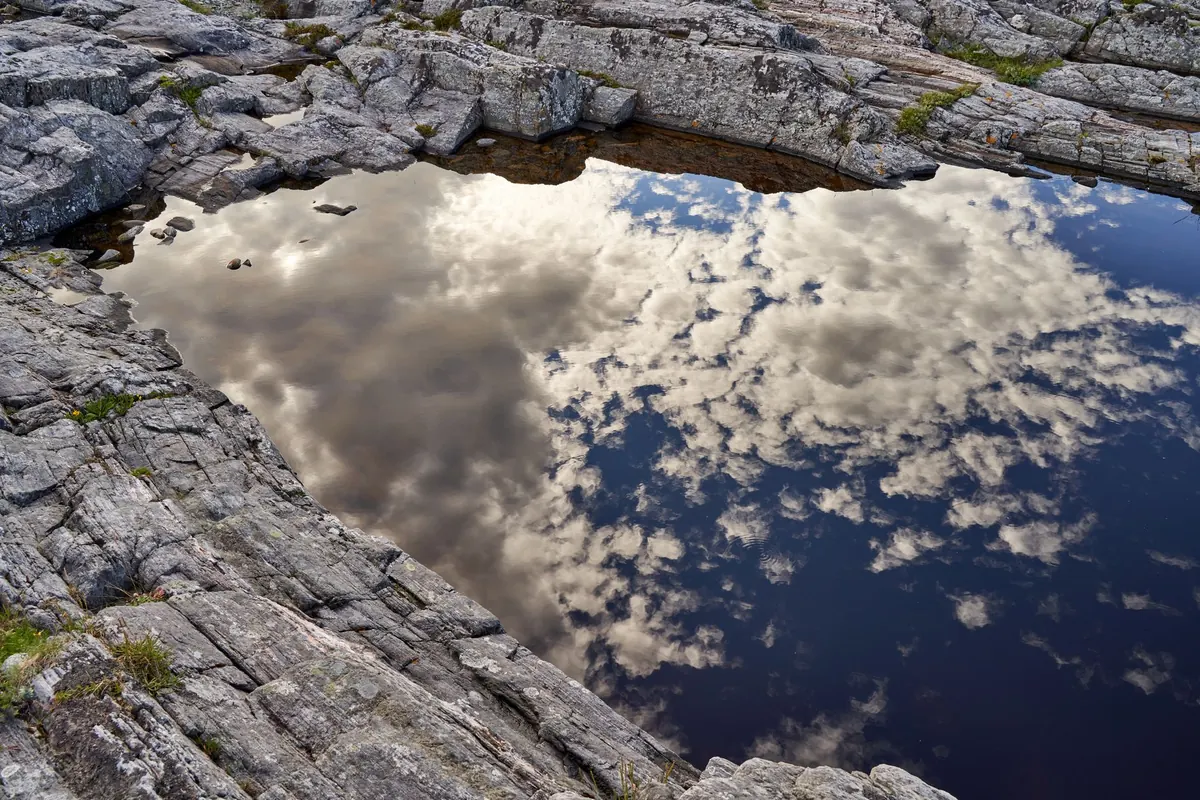
Parking: There is a small, unsigned parking area on the lane near the tarn. If it is full, park in St John’s in the Vale and walk up. Do not block field gates. Walk: From the parking area, a field path reaches the tarn in five to ten minutes. Difficulty: Easy. The water is shallow and reflective, with Blencathra and Skiddaw framing the view.
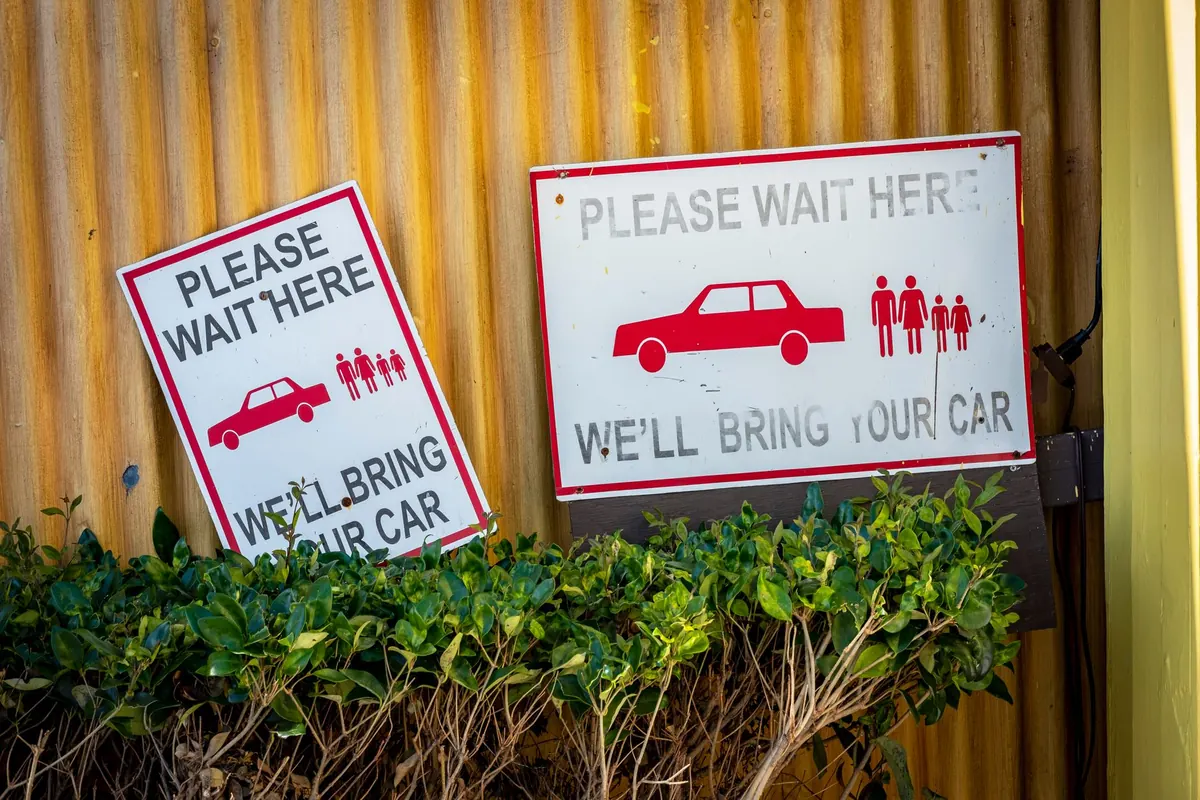
Parking: A small layby off the A593 between Torver and Coniston. It is easy to miss, so slow down as you approach. Walk: A short path crosses rough ground to the tarn in about five minutes. Difficulty: Easy. This is a good leg-stretcher if you are driving between Coniston and Broughton, and it rarely has more than one or two visitors.
Parking: Skelwith Bridge car park is the reliable option, with limited roadside spaces nearer the tarn. Walk: From Skelwith Bridge, follow the lane and footpaths uphill for about twenty minutes. Difficulty: Easy to moderate. The tarn sits in a shallow bowl below Loughrigg Fell, and the surrounding trees make it feel enclosed and private.
Parking: Grasmere has several pay-and-display car parks. Roadside parking is limited and often restricted. Walk: The path from Grasmere climbs steadily through woodland and open fell for about a mile and a half. Difficulty: Moderate. It is steep in places, but the tarn is a fine place to sit and look back over the village. Most people head for Easedale, so this side stays quieter.
Parking: Dob Gill car park on the A591, on the western side of Thirlmere. Walk: A stepped path climbs through mature woodland for twenty to thirty minutes. Difficulty: Moderate. The trees open suddenly at the tarn, and the atmosphere is dark and still. It is a good wet-weather walk because the woodland shelters you for much of the climb.
Parking: Walna Scar car park above Coniston. It is rough and busy on weekends. Walk: Follow the Walna Scar track, then branch onto the path to Goat’s Water. Allow about an hour to reach the tarn. Difficulty: Moderate. The water sits beneath Dow Crag, and the sense of scale is bigger than the short distance suggests. Go on a weekday if you want solitude.
Parking: Roadside spaces on the Birker Fell road. They are limited and uneven, so arrive early and leave room for passing vehicles. Walk: A rough track drops to the tarn in about fifteen minutes. Difficulty: Easy to moderate. This is remote, open country with few trees and wide skies. The tarn is large, shallow and often windy, but the silence is worth the drive.
Parking: Mungrisdale has a small car park near the village hall, with a few roadside spaces. Walk: From the village, follow the lane and track up Bowscale Fell. It is about two miles to the tarn, with a steady climb. Difficulty: Moderate. The tarn lies in a high bowl beneath Bowscale Fell, and the return view down the valley is excellent. It is far quieter than the nearby Blencathra routes.
These tarns are small, fragile places. A little planning keeps them quiet and keeps you comfortable.
If you want the tarns at their best, go on a weekday morning or a still evening in spring or autumn. Winter can be beautiful, but ice and snow demand more experience and better kit. These are not secret places, but they are quiet ones — and they stay that way when visitors treat them gently.
Photo: Barnabas Davoti / Pexels